




RUTIE PUMP Technical Insight: Grease & Oil Lubrication Best Practices for Maximum Reliability
Bearings are the “heart” of a slurry pump, and lubrication is their lifeblood. Yet, countless on-site failures—from overheating to seized bearings, unplanned downtime, and even fire hazards—trace back to a single preventable cause: non-compliant lubrication of the bearing assembly (bracket).
Operating in harsh conditions of high load, extreme vibration, dust, and moisture, slurry pump brackets demand precision—not just a quick “grease top-up.” Below, RUTIE PUMP shares industry-proven best practices for the two most common lubrication systems: grease lubrication and oil lubrication (Y-series).
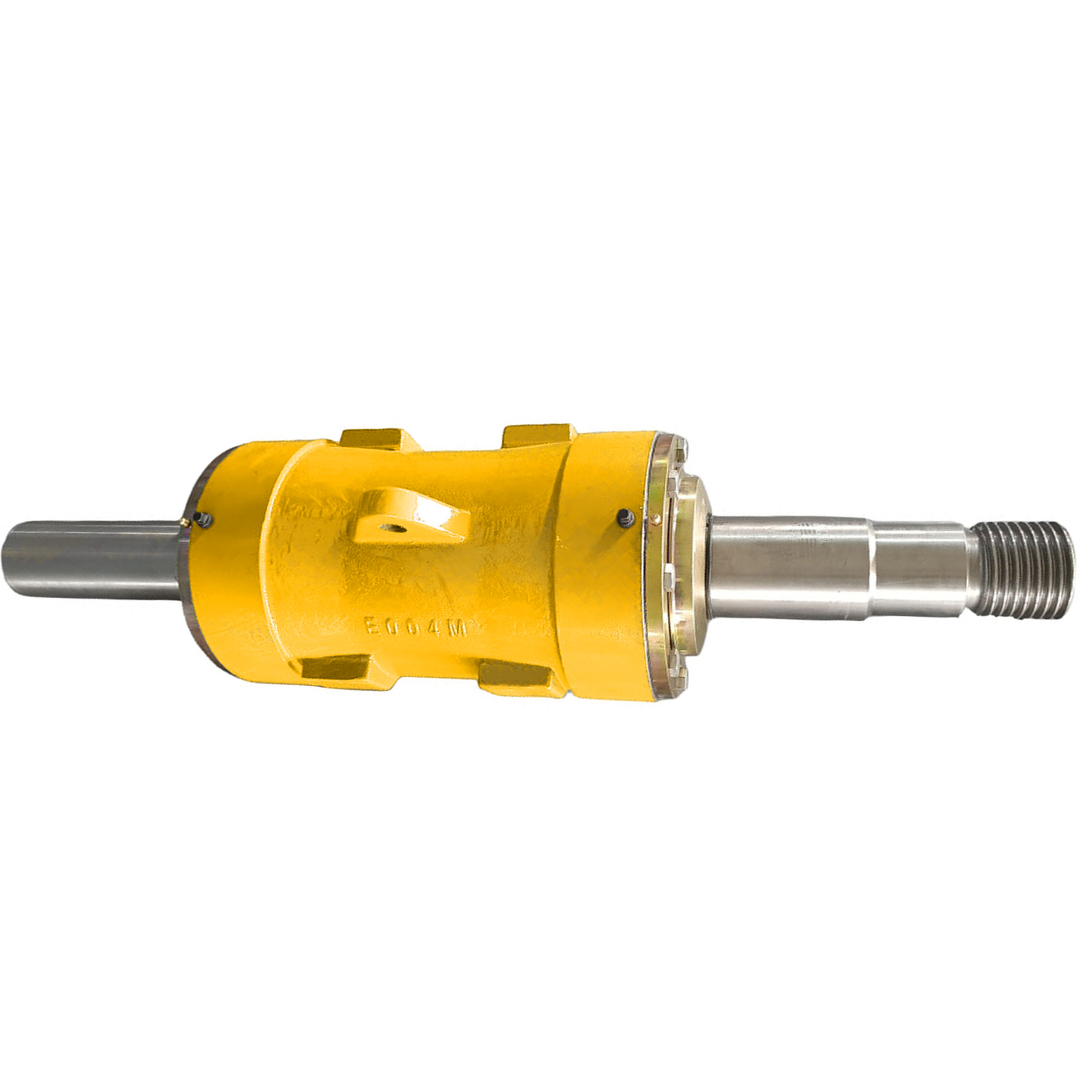
First: Identify Your Bracket’s Lubrication Type
Imported slurry pump brackets fall into three main categories; this guide focuses on the two most widely used for industrial applications:
| Lubrication Type | Typical Models | Key Application |
| Grease (Grease) | A–H, CC–GG, N–V Series | Standard for most operating conditions |
| Oil (Y-suffix) | BY, DY, EY, GY Series | High-load or specialized applications |
Grease-Lubricated Brackets: 4 Non-Negotiable Rules
| Parameter | Requirement |
| NLGI Grade | 2 |
| Dropping Point | ≥ 260°C |
| Worked Penetration (25°C) | 265–295 |
| Base Oil Viscosity (40°C) | ~220 cSt |
| Additives | Lithium complex thickener, EP (Extreme Pressure) additives, antioxidants |
RUTIE Recommended: Mobil HP (high-speed) or equivalent.
Synthetic Grease Exception: For speeds ≥65% of maximum rated RPM or operating temperatures ≥85°C, switch to Mobilith® SHC 220 (or equivalent). Use 75% of the mineral grease fill volume for initial installation; follow the same replenishment amount but extend intervals by 25%.
2. Initial Fill Volume: Precision Matters
| Assembly | A | B | C | D | E | F/FAM | G/GAM |
| Fill Volume | 20 | 30 | 50 | 100 | 200 | 500 | 1,150 |
3. Replenishment Intervals: “Little and Often” Is Golden
| Bearing Model | Refill Amount | Interval 1000 rpm | Interval 1400 rpm |
| N009 | 20 g | 2,300 h | 1,600 h |
| Q009 | 55 g | 1,400 h | 900 h |
| S009 | 115 g | 700 h | — |
- Intervals based on 70°C bearing temperature; halve intervals for every 15°C temperature increase.
- Shorten intervals in harsh environments (humidity, dust, outdoor installation).
- Golden Rule: Small, frequent refills beat large, infrequent ones—over-lubrication is as damaging as under-lubrication.
4. Over-Lubrication Warning
Labyrinth Seal Greasing: The Overlooked Critical Step
Oil-Lubricated Brackets (Y-Series): No Shortcuts on Oil Changes
1. Oil Specification
| Assembly | BY005 | CY005/CAMY005 | DY005/DAMY005 | EY005/EAMY005 | FAMY005 | GY005 | TY005M | UY005M |
| Volume | 0.13 | 0.35 | 0.5 | 0.8 | 2 | 3.5 | 5 | 16 |
3. Maintenance Schedule
| Task | Frequency |
| Check Oil Level (Dipstick) | Daily (before startup) or every 10 operating hours |
| Oil Change (Drain & Refill) | Every 2,000 operating hours or 6 months—whichever comes first |
Quick Reference: Lubrication Best Practices
| Grease Lubrication | Oil Lubrication (Y-Series) |
| NLGI 2, lithium complex with EP additives | Shell Omala 150 or equivalent |
| Model-specific initial fill | Exact volume per assembly chart |
| “Little and often” refills (adjust for temperature/speed) | Daily oil level checks (shutdown only) |
| No over-lubrication (investigate overheating first) | No high-viscosity oils; change oil every 2,000h/6 months |
Trust RUTIE PUMP for Slurry Pump Excellence
Post time: Mar-10-2026